
Arena of Survival Disasters and Map Pressure
How storms, hazards, and closing barriers force movement across every Arena of Survival map.
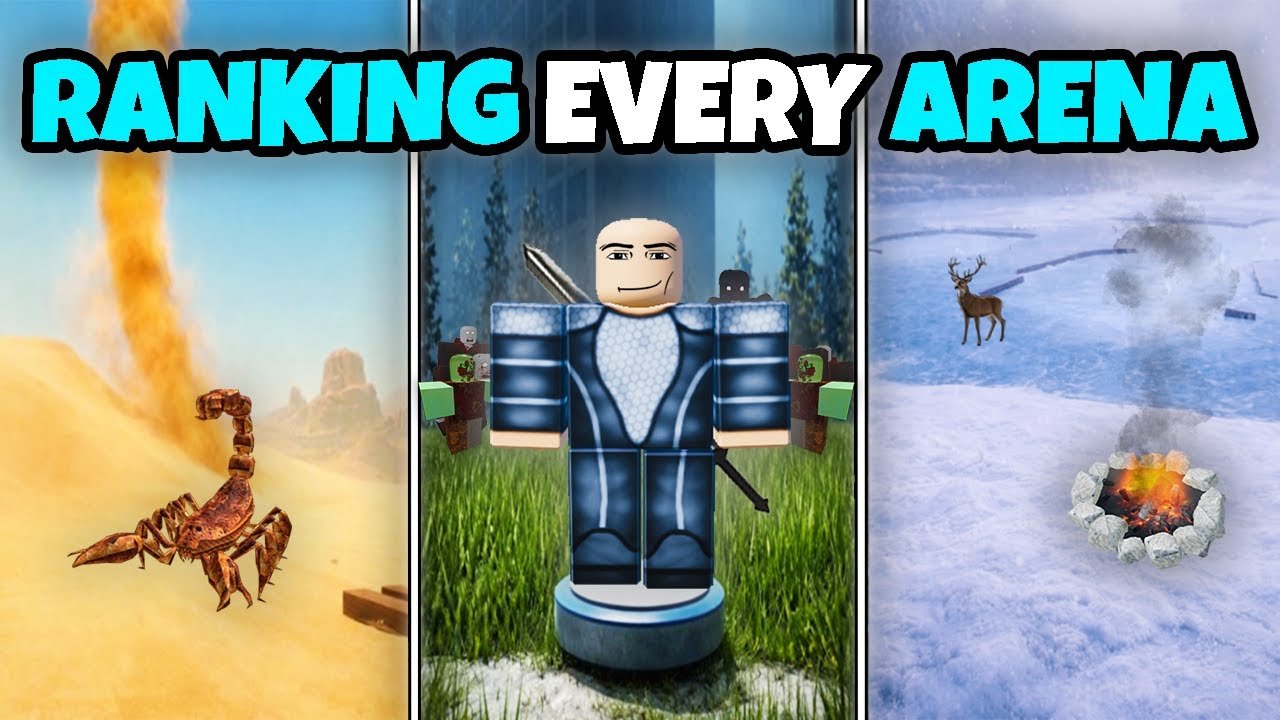
Disasters are the pressure cooker that stops Arena of Survival from becoming a camping simulator. Alongside random barrier closes, they force tributes out of safe looting loops and into contested space. This guide explains why disasters exist, how to react without panicking, and how map knowledge turns environmental damage into free eliminations. Bring fundamentals from Getting Started and Controls; spend the survival advantage in How to Win.
What disasters do to a match
A typical lobby starts spread across Forest, Island, Grassland, Swamp, Desert, Mountain, Arctic, Ruined City, Quarry, Jungle, or a secret layout. Without disasters, skilled players could empty every chest and wait. Disasters break that stalemate by:
- Punishing static camping in a single attic or cave.
- Creating noise and visual chaos that hides third-party footsteps.
- Forcing thirsty or hungry players to move before they refill—exactly when mistakes happen.
- Funneling survivors toward barrier edges where fights become unavoidable.
Mosquito-style disasters have been removed from the live mix. Do not play around obsolete insect swarms from old clips. Focus on the current environmental threats and barrier timing instead, and confirm patch context on Updates and Version 2.0 when combat or status effects change how damage feels.
Barriers: the quiet killer
Barriers can close in ways that feel random if you never watch the edges. Treat them like a second disaster layer:
- Glance at safe ground whenever you finish looting a building.
- Leave before the last doorway becomes a trap.
- Do not commit to a long inventory sort when you are already near a shrinking edge.
- Use barrier pressure to eliminate opponents—hold the safe side and let them take chip damage rotating late.
After Quarry-era map economy changes, center loot is less generous, which means players roam wider. Wider roams collide harder with barrier closes. Edge competence plus early rotates beats late center greed.
Reading the cue—then moving
Winners move on the first readable cue, not after they lose half a health bar. Practical sequence:
- Stop looting the current container.
- Equip your travel weapon (melee you trust while sprinting).
- Path through cover toward the next safe pocket—buildings, ridges, or dry ground depending on the hazard.
- Only then re-open inventory if you must drink or eat.
- Re-acquire audio focus for third parties using the same rotate path.
Sorting bread while a storm ticks is how highlight deaths happen. Inventory 2.0 still expects deliberate management; do it in the next building, not in the hazard. See Loot and Inventory.
Map-by-map pressure notes
Use Maps for detailed callouts. Disaster mindset by biome type:
| Map flavor | Pressure tip |
|---|---|
| Forest / Jungle | Tree cover hides rotates—expect ambushes on every pathing shortcut. |
| Island | Cliffs and shorelines create choke points when barriers squeeze inland. |
| Grassland | Open sightlines; start moving earlier because there is less visual cover mid-rotate. |
| Swamp | Footing and sightline tricks punish panic sprints—plan elevated or dry routes. |
| Desert | Long exposed runs; carry resource buffer before you cross. |
| Mountain | Verticality helps holders; late rotators eat throwables from above. |
| Arctic | Cold-feeling pressure plus sparse cover—do not get caught between buildings. |
| Ruined City | Interior labyrinths; barriers can trap you in dead-end rooms. |
| Quarry | Terrain bowls and rims; center is less of a loot jackpot, so control rims early. |
| Secret layouts | Assume unfamiliar exits; leave at the first cue even if loot looks juicy. |
Disasters and resource bars
Environmental pressure couples with hunger and thirst. A disaster that forces a long sprint while your thirst is already critical is often lethal even if the hazard damage alone is survivable. Before mid-game, secure water and food. Empty bottles need refills at water sources; Survivalist can point toward water while you hold an empty bottle—huge when a disaster just shoved you off your planned well. Perk rankings live on Perks.
Agility matters more when rotates are frequent. If you constantly arrive late to safe zones, adjust playstyle: fewer greedy chests, earlier leaves, better hotbar readiness from Controls.
Fighting during disasters
Disasters are not “pause PvP” moments. They are preferred third-party windows.
- Players exit buildings on predictable doors—pre-aim those exits with spears or bows.
- Block timing still matters in Version 2.0 melee even when the sky is loud.
- Do not stand still to watch the spectacle; watching gets you speared.
- If you are weak, use the disaster to disengage while louder players duel.
- Animal Lover users should still avoid attacking wildlife while rotating—panic swings break the ignore-them rule.
Flail and katana users remain dangerous in chaos because wild camera work favors aggressive melee. Chip them with throwables listed conceptually under Weapons before you accept a pure knife duel in a storm.
Common disaster deaths (and fixes)
- “I almost finished the chest.” Fix: leave at the first cue; chests respawn in future matches, your win streak does not.
- “I ran the long open path.” Fix: pick covered routes even if they are slightly longer.
- “I was safe but thirsty.” Fix: refill before the lobby shrinks; carry bottle discipline from Loot and Inventory.
- “Barrier trapped me in a bathroom.” Fix: check exits when you enter Ruined City or Quarry interiors.
- “I played for mosquitoes.” Fix: that disaster type is removed—update your mental model via Updates.
Practice plan
Play three matches where your only graded metric is rotate latency: how many seconds between cue and meaningful movement. Ignore kill count. Next session, add a rule: never open inventory until you are inside the next safe building. Third session, deliberately hold a safe-side angle and let one opponent take barrier or hazard chip before you finish them—this is the core of How to Win endgames.
Related wiki links
Browse every guide from the Guides Hub. Claim Codes between sessions, compare loadouts on the Tier List, and track system changes on Updates. Use Tools, Players, Scripts, and Wiki as supporting hubs when you need reference material outside disaster theory.
Disasters are not bad luck. They are a scheduled exam in movement, resource buffering, and fight selection. Pass that exam every match and the final circle arrives with you already fed, hydrated, and holding the better angle.
Frequently Asked Questions
Quick answers for Arena of Survival players.
Are mosquito disasters still in Arena of Survival?
No. Mosquito-style disasters were removed. Play around current environmental hazards and barrier closes instead of old clip habits.
What should I do the moment a disaster starts?
Stop looting, equip a trusted melee, and move through cover toward safe ground. Sort inventory only after you arrive.
How do barriers interact with disasters?
Barriers shrink usable space and can trap players in interiors. Together with disasters, they funnel fights—hold the safe side when you can.
Why do I die during disasters even with good weapons?
Usually late rotates, open-path sprints, or thirst and hunger already being critical. Fix resource buffers and leave earlier.